

What Cable Do I Need for Pendant Lighting? (A Practical Guide for Homes & Commercial Projects)
Choosing the right cable for pendant lighting might seem simple at first until you realise how many options there are.
Whether you’re a homeowner, interior designer, electrician, or contractor, the right choice comes down to three things: safety, performance, and appearance.
This guide keeps things straightforward, while also covering the key considerations for professional and commercial installations.
🔌 First Things First: 2 Core or 3 Core?
This is the most important decision.
- 2 core cable = live + neutral
- 3 core cable = live + neutral + earth (for safety)
Simple rule:
If your light fitting has any exposed metal parts, you should be using 3 core cable.
Even in decorative lighting, safety should always come first — especially in commercial or public environments.
Choosing the Right Cable Type
The type of cable you choose affects both performance and how the finished installation looks.
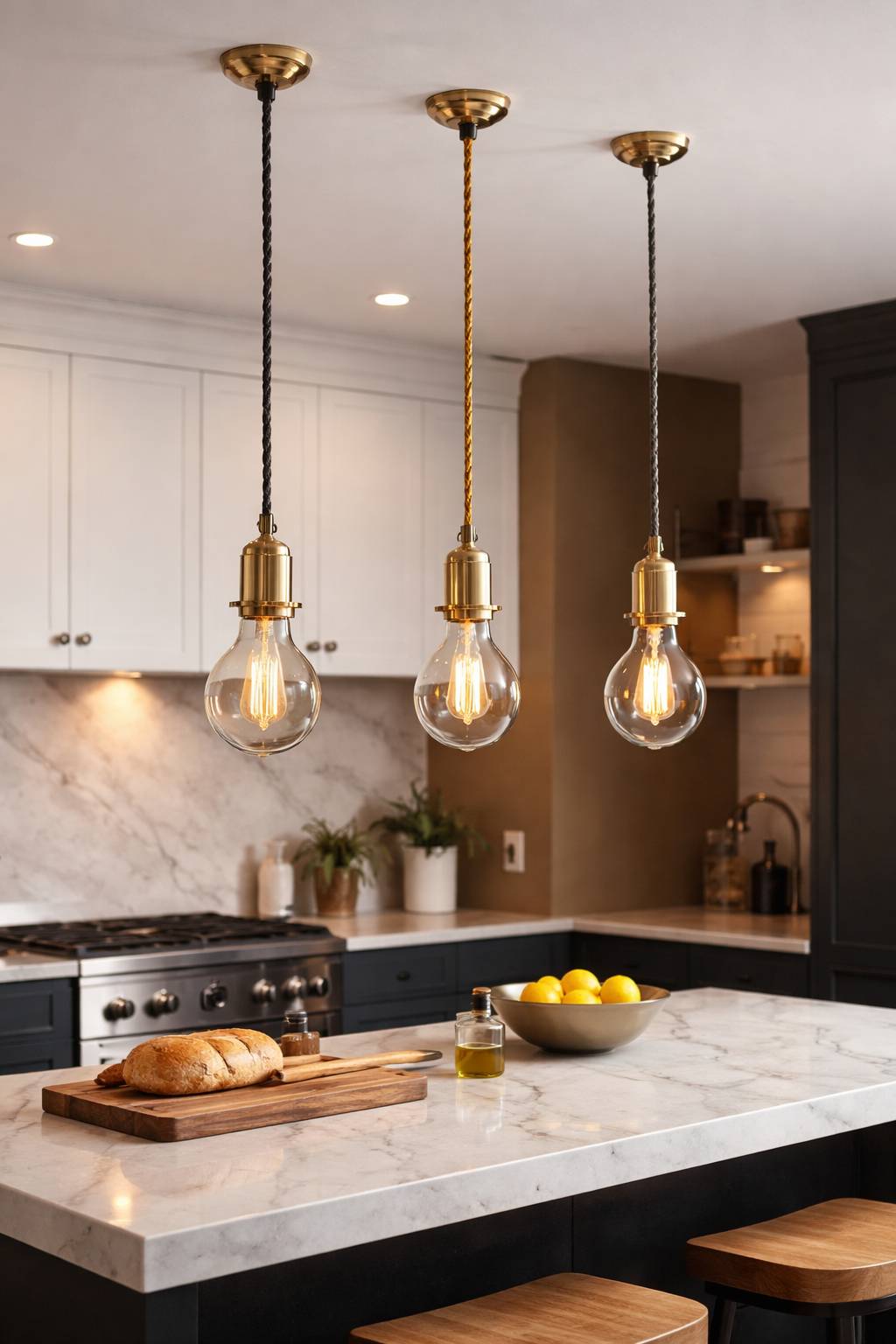
Fabric Braided Cable (Popular for Modern Lighting)
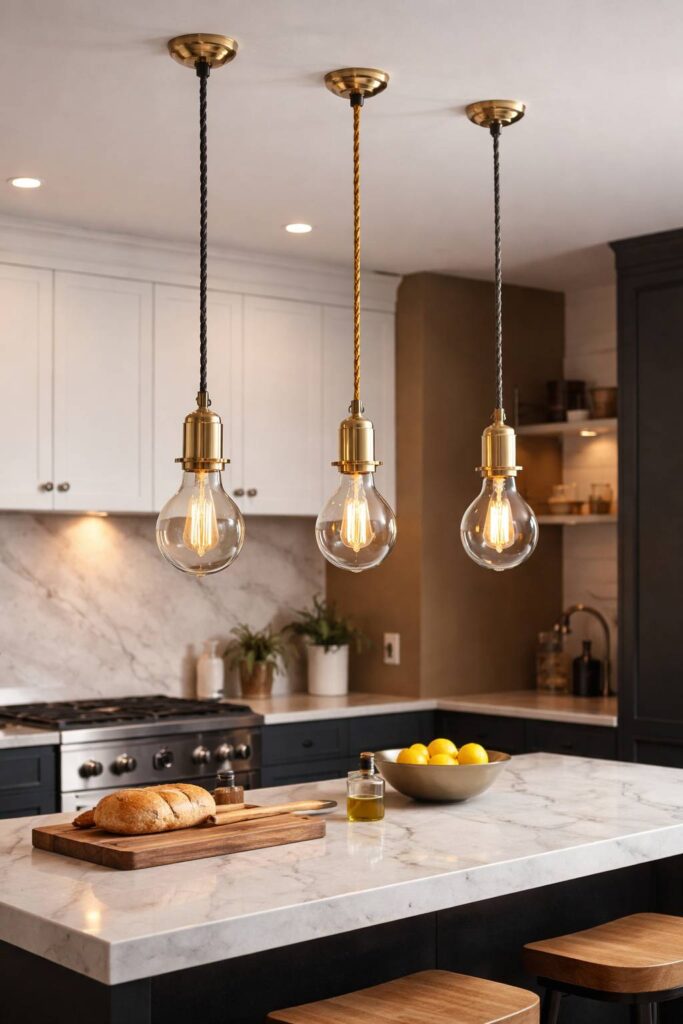
- Flexible and durable
- Available in a wide range of colours and finishes
- Designed to be seen, not hidden
Commonly used in:
- Restaurants, bars, and retail spaces
- High-end residential interiors
- Feature and statement lighting
PVC Cable (Standard Option)
- Cost-effective and widely used
- Easy to install
- Typically hidden from view
Best suited for:
- Functional or concealed installations
Rubber Cable (Heavy-Duty Use)
- Strong and highly flexible
- More resistant to heat and wear
Ideal for:
- Industrial-style lighting
- Environments with higher stress or movement
Cable Size: Don’t Overlook It
Cable size (measured in mm²) determines how much electrical current it can safely carry.
For most pendant lighting:
- 0.75mm² → suitable for standard lighting
- 1.0mm² → preferred where additional load or longer runs are involved
For professional installations, always consider:
- Total load on the circuit
- Cable length (voltage drop)
- Installation conditions
Using undersized cable can lead to overheating and reduced lifespan.
When Design Matters (Which It Usually Does)
Pendant lighting is no longer just functional — it’s a key design feature.
That’s why many designers and specifiers choose decorative cables to:
- Match or contrast interior colour schemes
- Create a vintage, industrial, or contemporary look
- Turn visible wiring into part of the aesthetic
In many projects, the cable is just as visible as the light fitting itself — so it’s worth getting it right.
Common Mistakes to Avoid
These are some of the most frequent issues seen in both residential and commercial projects:
- Using 2 core cable where earthing is required
- Selecting the wrong cable size for the load
- Ignoring environmental factors like heat or movement
- Poor termination or installation practices
Most of these are easy to avoid with proper planning.
Considerations for Contractors & Commercial Projects
If you’re working on a larger or professional installation, there are a few additional factors to keep in mind:
- Compliance with standards (e.g. BS 7671 / UK wiring regulations)
- CE / UKCA certification requirements
- Load calculations and circuit design
- Installation environment (heat, moisture, mechanical stress)
- Durability over time, especially in high-traffic spaces
In commercial settings, cable choice isn’t just about function — it’s about long-term reliability and compliance.
When to Choose Bespoke Cable
Off-the-shelf cable doesn’t always meet project requirements.
Custom cable solutions are often used when:
- Specific colours or finishes are required for design consistency
- Exact lengths are needed for large installations
- Projects require higher performance or durability
- You’re working on repeat or volume-based installations
For contractors, designers, and OEM clients, bespoke cable can help ensure:
✔ Consistency across projects
✔ Faster installation
✔ A more professional finish
The Bottom Line
Choosing the right cable for pendant lighting doesn’t need to be complicated.
Focus on these three things:
✔ Safety → use 3 core where required
✔ Performance → select the correct cable size and material
✔ Design → choose a cable that fits the space
Get these right, and you’ll have a lighting setup that not only looks good — but performs reliably over time.
Need Help with a Project?
If you’re working on a lighting project and need guidance, it’s always worth speaking to a specialist.
Whether you need help with specification, compliance, or bespoke cable solutions, getting it right at the start can save time, cost, and complications later on.
Get in touch to discuss your project requirements or request a tailored cable solution.